We use the regenerative potential of the body's own Stem Cells.

What is Regenerative Medicine?

In regenerative medicine, cell-based therapy methods are used in which cells are the central component of the treatment. The aim is to heal dysfunctions of cells, tissues or organs.

This takes advantage of the special properties of stem cells: the ability for long-term self-renewal and differentiation into various specialized cell types. Due to its anti-inflammatory, vascular-renewing and neuroprotective effects, this medicine is becoming increasingly important, especially for previously incurable and degenerative diseases.

Why the body's own Stem Cells?

We use autologous Stem Cells:

No rejection reaction:

As these are the body’s own cells, there is no graft-versus-host reaction (GvHR).

Safety:

The application is considered low-risk because there are no foreign cells or incompatibilities.

Natural potential:

Adult stem cells are designed to recognize damaged areas in the body and support the body’s own healing processes and cell renewal.

Ethical harmlessness:

In contrast to the extraction of embryonic stem cells, the use of adult, multipotent stem cells is ethically completely harmless.

Indications*

We accompany you on your path to more health and well-being.

Pediatrics

Autism

We view autism as a treatable metabolic disease with inflammatory processes in the brain.

CP (Cerebral Palsy)

Treatment of neurodegenerative movement disorders.

Muscular Dystrophy

Therapy for degenerative muscle diseases.

Orthopedics

SCI (Spinal Cord Injury)

Treatment of spinal cord injuries.

Tetraplegia

Regenerative approaches for severe paralysis symptoms.

Back Pain & Spondylosis

Therapy for degenerative changes in the spine.

Osteoarthritis & Gonarthrosis

Treatment of joint wear, especially of the knee.

Arthritis & Rheumatoid Diseases

Anti-inflammatory therapy for joint diseases.

Limb Girdle Syndrome

Regenerative approaches to neuromuscular diseases.

Surgery

Wound Healing Disorder

Promoting tissue regeneration in chronic wounds.

Crohn's Disease

Supportive regenerative approaches for chronic inflammatory diseases.

Colitis

Supportive therapy for inflammatory bowel disease.

Eye Disease

Stargardt's Disease

Therapy for degenerative retinal diseases.

Longevity & Prevention

Rejuvenation, Anti-aging

Concepts to rejuvenate and promote healthy longevity.

Alopecia

Cell-based support for the regeneration of hair loss.

Neurology

Stroke

Supporting regeneration after neurological insults.

ALS (experimental)

Regenerative support for complex neurological diseases.

Parkinson's Disease

Regenerative approaches for neurodegenerative complaints.

Multiple Sclerosis (experimental)

Regenerative support for chronic neurological diseases.

Kidney Function

Kidney Failure (no dialysis)

Regenerative support for impaired kidney function.
* None of the indications listed have level 1 evidence. However, there is an extensive list of scientific publications that we are happy to make available. All indications are described in the literature as being free of serious side effects.

Our Method

Injection into the cerebrospinal fluid space

By intrathecal injection directly into the spinal canal, the stem cells can effectively cross the blood-brain barrier. There they develop their neuroprotective and reparative effects directly on the central nervous system.

The three steps of treatment

The therapy takes place as a Single Procedure at one appointment directly on site:

1

Extraction (Isolation)

Under sedoanalgesia, bone marrow is primarily derived from the iliac crest.
The bone marrow is rich in hematopoietic and mesenchymal stem cells.

2

Processing

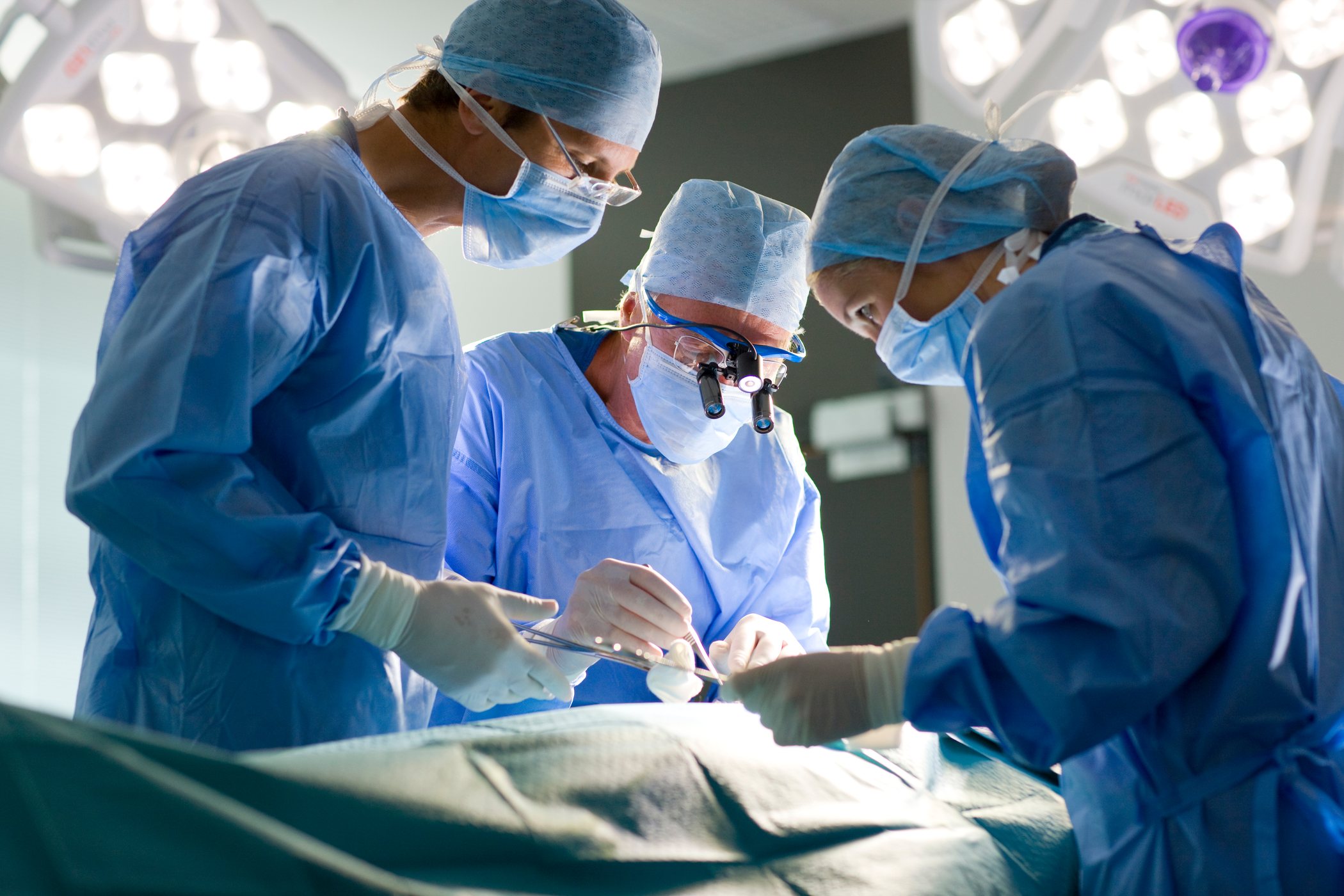
The obtained substrate is concentrated and cleaned in the operating room using centrifugation.
3

Application (Transplantation)

The concentrated stem cells are injected directly intravenously and/or via lumbar tap.
From there migrate to the target sites in the tissue to act as a repair system.